1905
|
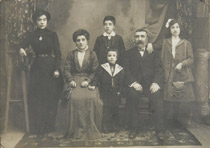
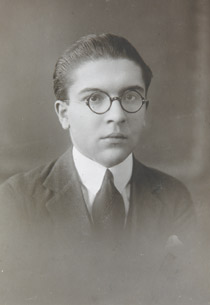
He was born in Lugo on June 23
|
|
1914
|
He studied piano with Mercedes Cornide and María Mota
|
1917 - 1921
|
He studied secondary school at the General Technical Institute, Lugo. He took the piano entry exam at the Academy of Music of Madrid in 1919. He graduated from high school on September 20, 1921
|
1922
|
He began his studies of Engineering in Madrid. He lived on No.10-12 Relatores St |
1924
|
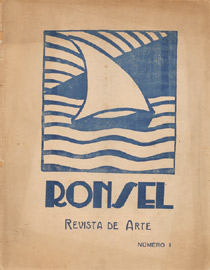
He founded with Álvaro Gil, Luis Pimentel, and Evaristo Correa Calderón the periodical Ronsel and published “Hacia el ballet gallego” in the periodical’s publishing house. He began studying Medicine at the University of Madrid
|
1925
|
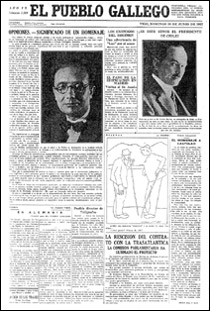
| He moved to live in the Residencia de Estudiantes and began collaborating as a columnist in Vigo’s El Pueblo Gallego, an activity that he maintained until 1932
|
1926
|
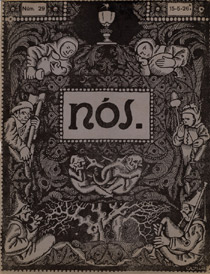
He published O momento actual da música galega in the periodical Nós (no. 29)
|
1927
|
He enrolled in the Seminario de Estudios Gallegos and began his military service in Santiago |
1928
|
He returned to Madrid after completing his military service and joined the Center for Historical Studies |
1930
|
He wrote “Seis pezas para Canto e piano encol de verbas de Amado Carballo,” and the “Suite para orquesta” |
1933
|
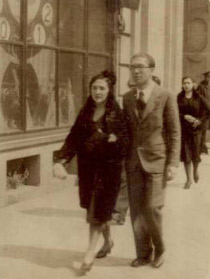
| He married Rosita García Ascot. He published “O folklore musical de Melide” in Terra de Melide, published by the Seminario de Estudios Gallegos in Nós publishing house |
1935 |
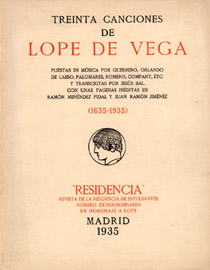
He published Treinta canciones de Lope de Vega, in the special issue of the periodical Residencia dedicated to Lope. J. B. Trend invited him to Cambridge University, where he worked as a lector of Spanish until 1938 |
1936
|
| Higinio Anglés invited him to participate in the congress of the International Society of Musicology (SIM) held in Barcelona |
1938
|
Rosita traveled to Paris to study with Nadia Boulanger. Jesús Bal went to Mexico, stopping in New York. In Mexico, he worked as a researcher at the Casa de España |