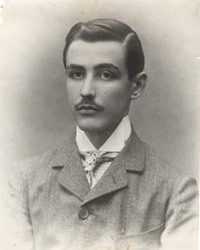
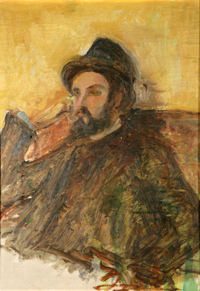
1881 Born in Moguer on December 23.
1893 Enters the Jesuit boarding school in El Puerto de Santa María, Cadiz. Writes first poems.
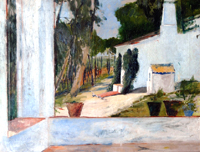
1896 Studies painting with Salvador Clemente in Seville. Visits the Ateneo frequently. Reads Bécquer and the “poetas del litoral”.
1900 Goes to Madrid to "fight for modernism". Meets Rubén Darío. Publishes his first books: Ninfeas and Almas de violeta. His father dies.
1901-1902 Maison de Santé du Castel d’Andorte, France. Reads the French Symbolist poets. Has first love affair. Back in Madrid, moves to the Hospital del Rosario following Dr. Simarro’s advice. He works on his book Rimas. Valle-Inclán, Benavente, and the Machado brothers visit him.
1903-1904 Moves to Dr. Simarro’s house. Establishes contacts with the Institución Libre de Enseñanza. Meets Giner de los Ríos. Publishes Arias tristes.
1905-1912 Returns to Moguer. His family goes bankrupt. Publishes Jardines lejanos and Melancolía . Begins Platero y yo as a section of a prose work to be titled Elegías Andaluzas. Moves back to Madrid in December 1912.
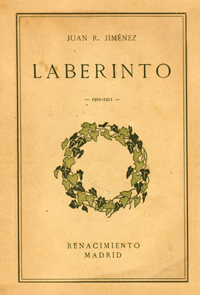
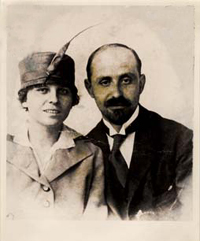
1913 Publishes Laberinto. Meets Zenobia Camprubí. Lives at the Residencia de Estudiantes where he meets Ortega y Gasset.
1914-1915 Becomes director of publications at the Residencia de Estudiantes. Publishes first edition of Platero y yo. In collaboration with Zenobia, begins translating Rabindranath Tagore.
1916 Marries Zenobia in New York. Writes Diario de un poeta recién casado and publishes Estío.
1917 Publishes Platero y yo complete edition, Sonetos espirituales, the Diario and Poesías escojidas.
1918-1921 Publishes Eternidades and Piedra y cielo. Writes for avant-garde periodicals. Starts Índice periodical and later, Biblioteca de Índice, where writers of the Generation of 27 first published their works.
1922-1931 Publishes Segunda antolojía poética, Poesía and Belleza. Writes regularly for periodicals and newspapers. Initiates the revision of his work through his “notebooks” (Unidad, Sí, Obra en marcha…). First arguments with the young poets. Celebrates the establishment of the Second Republic.
1932-1933 Publishes Sucesión. Breaks his friendship with Guillén and Bergamín. Continues publishing his notebooks and writing for the press.
1934-1935 Signs manifestos against repression in Asturias and in favor of Azaña. Supports Antonio Espina (imprisoned in Bilbao). Publishes the series of leaflets I, also known as Hojas, to publicize his work.
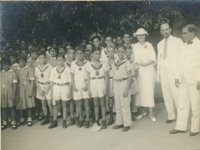
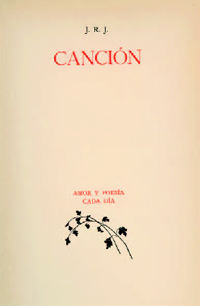
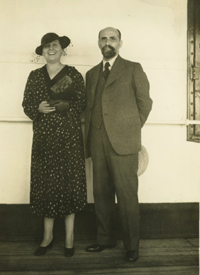
1936-1938 Publishes Canción. At the military uprising that led to civil war, he signs a manifesto in favor of the Republic. He provides care and accommodation for orphan children of war. Leaves Spain with Zenobia in August. Appointed honorary cultural attaché of the Spanish Embassy in Washington. Travels to New York, Puerto Rico and Havana. Give lecturers and collaborates with the government of the Republic. Edits La poesía cubana en 1936.
1939 Moves to Coral Gables, Florida. Writes Romances de Coral Gables. Participates in a campaign to help Spanish intellectuals in exile. His Madrid apartment is ransacked.
1940 Gives lectures at the University of Miami.
1941-1942 Starts writing Espacio. Teaches summer term at the University of Duke. Moves to Washington. Writes Alerta, a series of radio scripts on literature. Editorial Losada publishes Españoles de tres mundos. Starts writing Una colina meridiana. Works on his old poems and starts a project of a new edition of his complete works.
1944 Hired as professor at the University of Maryland.
1945 Publishes Voces de mi copla in Mexico.
1946 Publishes La estación total con las canciones de la nueva luz.
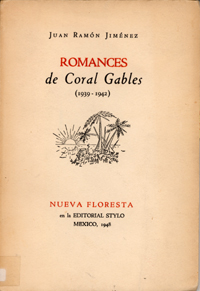
1948 Publishes Romances de Coral Gables in Mexico. A library named after him opens in Moguer. Visits several universities in Canada and the United States. Travels to Argentina and gets a triumphal welcome in Buenos Aires where he gives several lectures. Travels to Uruguay. Writes Animal de fondo.
1949 Publishes Animal de fondo, a foretaste of Dios deseado y deseante.
1951 Travels to Puerto Rico for health reasons. The University of Puerto Rico, Río Piedras hires Zenobia who shortly afterwards has surgery for cancer in Boston. Juan Ramón begins a new book with the eloquent title De ríos que se van.
1952 Lectures in the university and works on the reorganization of his work: Sucesión, Destino and Metamórfosis.
1953 Moves to a house in Hato Rey. The University of Puerto Rico, Río Piedras, hires him to give a seminar on modernism.
1954 Publishes the complete edition of Espacio and continues teaching.
1955 The University of Puerto Rico opens the Sala Zenobia and Juan Ramón Jiménez, with the personal library donated by the poet. The Casa Municipal de Cultura Zenobia y Juan Ramón Jiménez opens in Moguer.
1956 On October 25, the Swedish Academy awards him the Nobel Prize for Literature. Zenobia dies on October 28.
1957 Publishes Tercera antolojía poética.
1958 He dies on May 29. His remains are moved to Moguer.
|