The new poetic forms of Diario de un poeta recién casado were soon embraced by the emerging avant-garde poets. In 1917, Diario became for attentive readers a book that pointed toward the future while the author – well-aware of the news from France and a privileged reader of poetry in English – acquired an undisputed authority and prestige among the young poets.
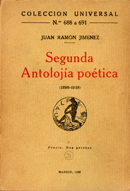
Juan Ramón responded generously to requests from the emerging generation of poets. He sent contributions to their periodicals and gave them advice and information. The publication of Indice is closely linked to their relationship during those years. Juan Ramón’s correspondence with Escalante and Gerardo Diego clearly shows how well he felt among the new generation: “entre jóvenes llenos de entusiasmo, como ustedes [los de Reflector], por una dirección estética pura, sea ésta la que sea, me encuentro mucho mejor que entre compañeros de jeneración secos […]" However, by the late 1920s, these poets, having found their own voices, parted company with their mentor. Disagreements would arise that would eventually turn the “Andaluz Universal” (“The Universal Andalusian”) into the “Cansado de su Nombre”(“Tired of his Name”). For Juan Ramón, the early 1930s is a period of reflection and rethinking of his writing. After the publication of Segunda antología poética, (1922)and Poesía y Belleza (1923), he did not publish any book until 1936.