|

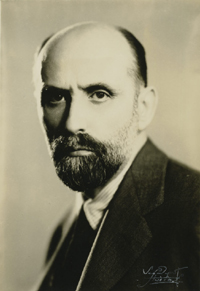
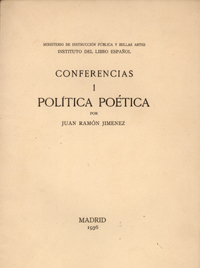
Juan Ramón was convinced that poetry and art in general were useful activities for the transformation of the consciousness and intelligence of a people. He was confident that his best weapon to fight for a better future was to do “trabajo gustoso,” something he enjoyed doing and did well: write poetry. Therefore, he always tried to stay outside the everyday political battles, though he did sign manifestos in favor of the Republican government when things started to get difficult. When the war broke out, from the very first day, July 18, Juan Ramón, as an example of moral honesty, offered to be of service to the people, convinced that “en esta mala guerra española, el individuo debe ayudar, en la medida de sus mejores fuerzas, al pueblo y al Estado, no ellos al individuo” (in this evil Spanish war, the individual must contribute with all his means, to the people and the state, instead of helping the individuals). And he would maintain his stand when circumstances forced him to leave Spain. First from New York, and then from Puerto Rico and Cuba, during a number of years when he hardly had time for his "work in progress," he continued his work in support of the Republican government and even suffered the clumsy revenge of the Fascist intellectuals who looted his flat in Madrid. The documents included in his book Guerra en España, published in 1985, are at once eloquent and dreadful.
|
|